“Prepping” has a bit of an image problem. People picture bunkers, camouflage and years of tinned food. In the UK, being prepared is much simpler and calmer than that. It means having what you need to cope at home for a few days if something goes wrong: a power cut, a burst water main, a flood, a big storm or a bout of illness that keeps you indoors.
The UK Government’s Be Ready campaign asks every household to be able to manage for 3 days without outside help. The British Red Cross says the same, and calls it being ready for 72 hours. That is the whole idea behind this site.
Why bother?
Most emergencies in the UK are short and local. The power goes off for an evening. The water is off for a day while a main is repaired. Snow closes the roads. A storm brings down lines. In the first few hours and days, the emergency services and utility companies have to help the people in the most danger first. If you can look after yourself and your family for a few days, you are safer and calmer, and they can help others who need it more.
The basics, in five steps
- Water. Keep enough drinking water for everyone for 3 days, plus a little for washing. See our guide to what to do when the water goes off.
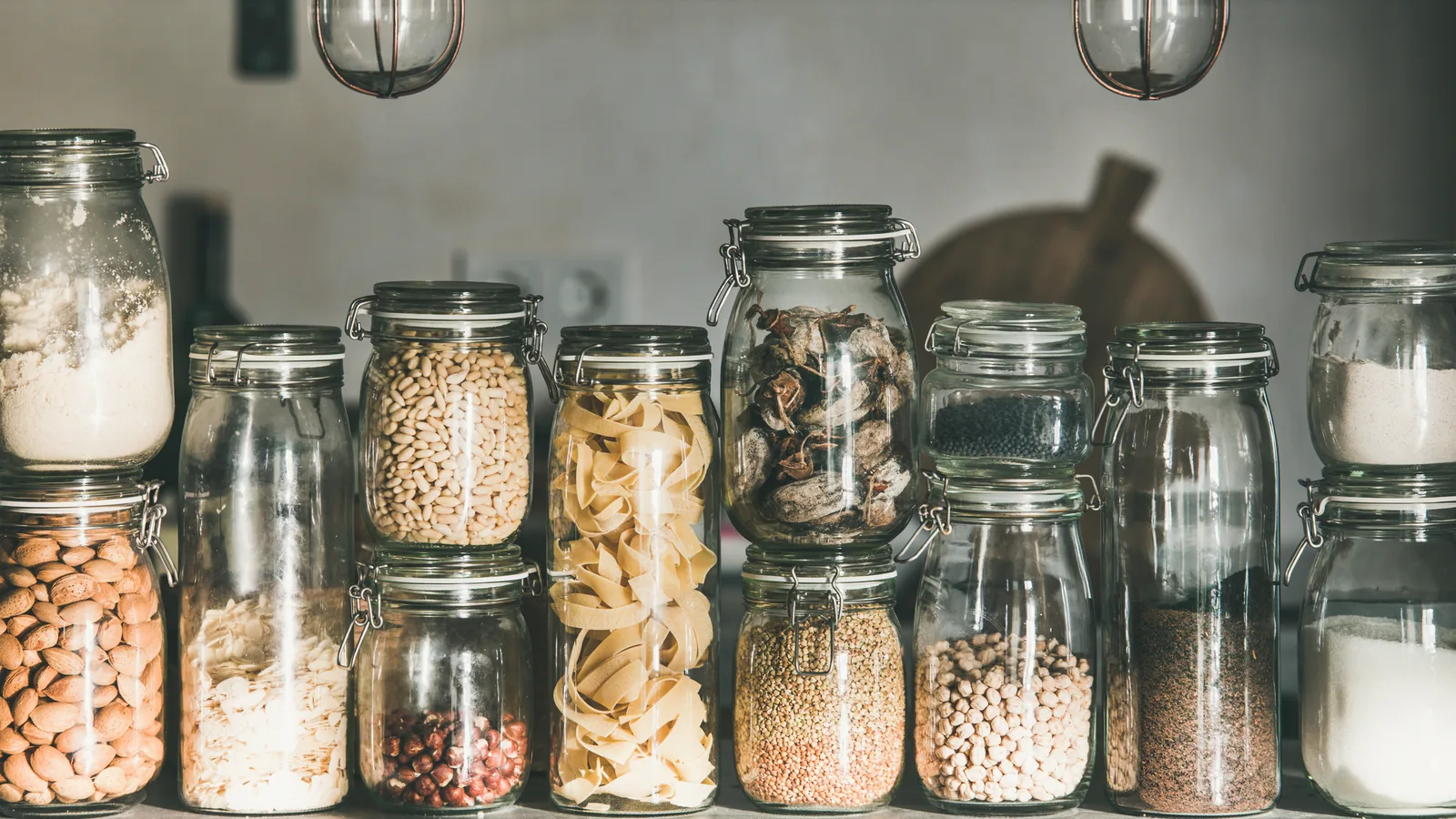
- Food. Keep a few days of food that needs little or no cooking, and a tin opener. Our 3-day emergency food list makes it easy.
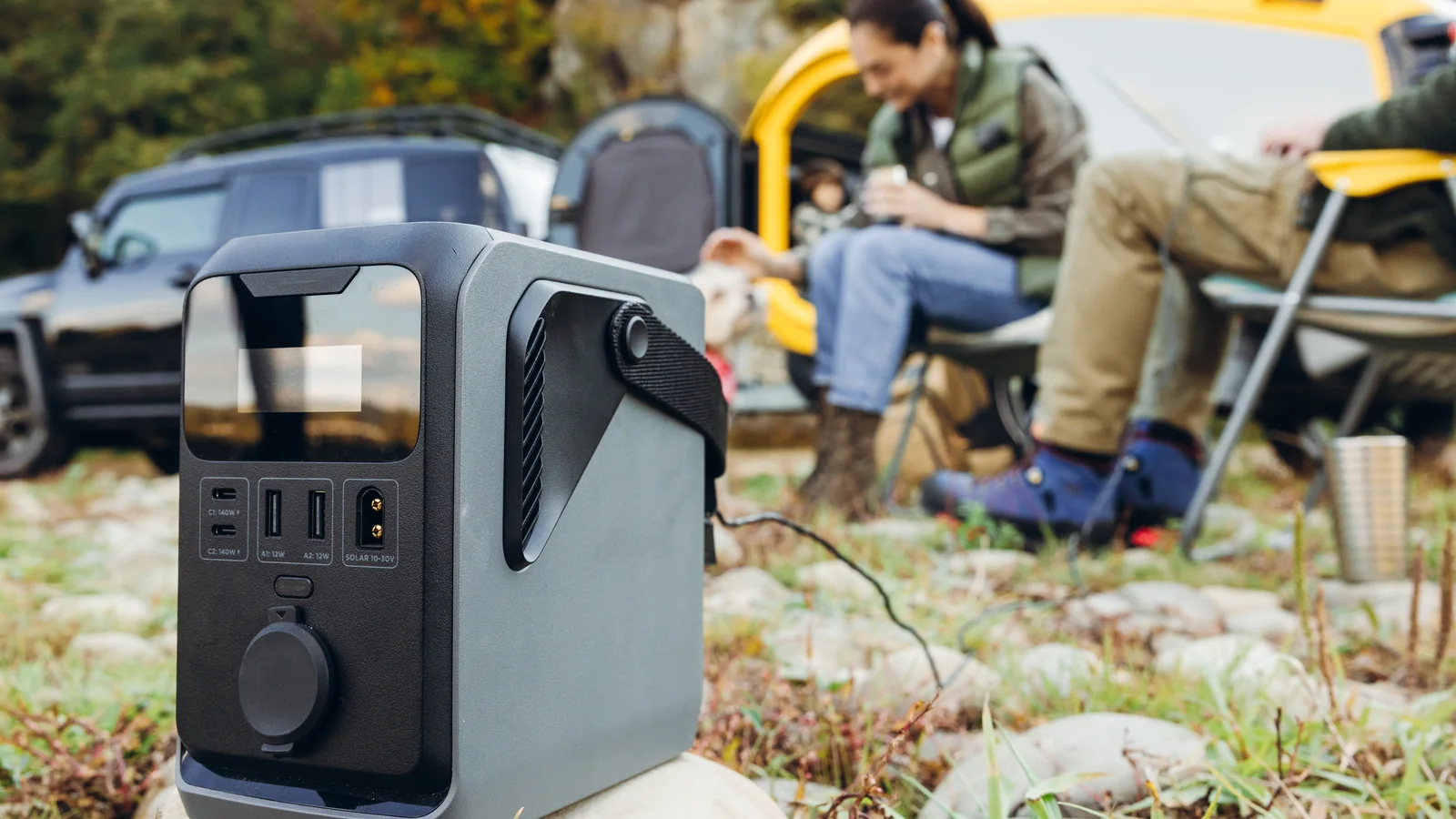
- Light and power. Torches, spare batteries and a charged power bank. Read our power cut guide.
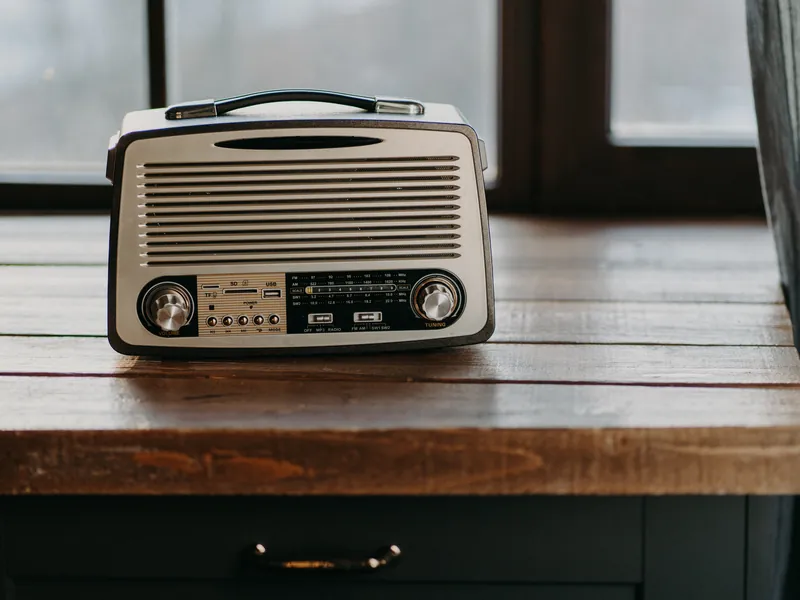
- Information. A battery or wind-up radio, and the right numbers written down. Keep a copy of our UK emergency numbers.
- A plan. Know where your stopcock, fuse box and gas meter are, how you will contact each other, and where you would go if you had to leave home.
Start small, and use what you have
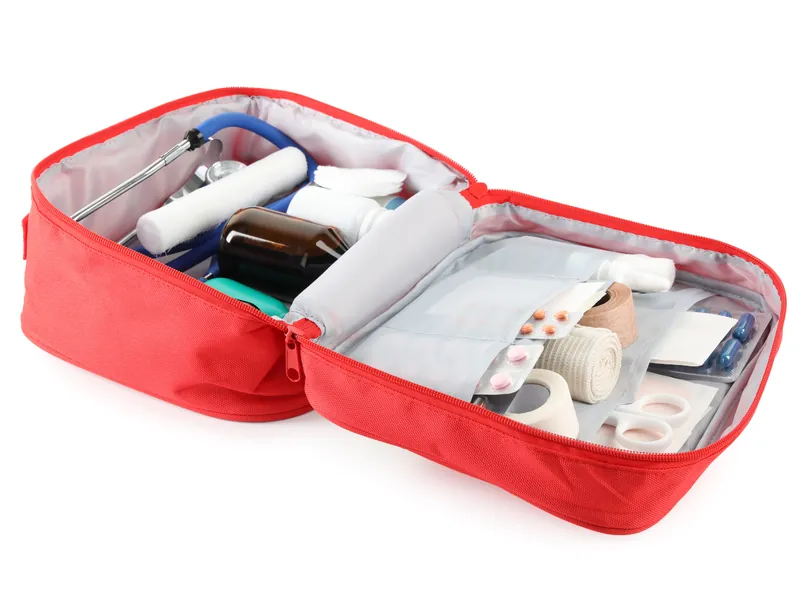
You don’t need to buy a lot of kit. Most homes already have half of it: a torch in a drawer, some tins in the cupboard, a first aid box. Start by gathering what you already own into one place. Then add one or two things a month. A few extra tins in the weekly shop, a pack of batteries, a big bottle of water.
- Rotate your food and water. Use the oldest first and replace it, so nothing goes out of date.
- Check your kit every six months, when the clocks change, along with your smoke alarms.
- Think about the people in your home: medicines, babies, older relatives, pets.
Keep a grab bag too
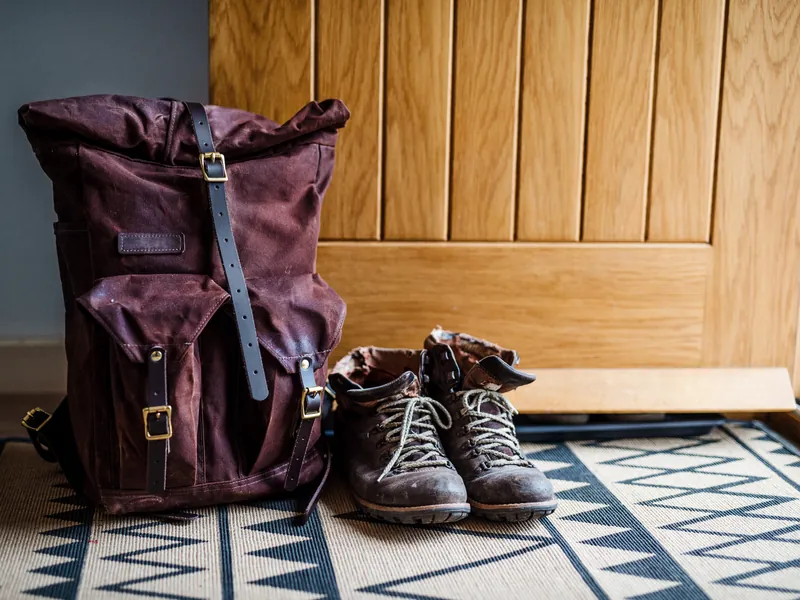
Most of the time you will stay at home. But floods and fires sometimes mean leaving quickly. A small bag with copies of documents, medicines, a torch, a phone charger and some cash means you can go in minutes. Our grab bag on a budget guide shows you how, and our 3-day checklist ticks off the rest.
Buy a 3-day emergency kit here · Buy a wind-up radio here · Buy a tin opener here
For trusted, official advice on every kind of emergency, see our UK prepper library.
 2 pagesOur grab bag checklistA tick list in 7 groups, plus cut-out emergency contact cards
This guide contains affiliate links to Amazon UK. If you buy through them we may earn a small commission, at no extra cost to you. How we choose kit.