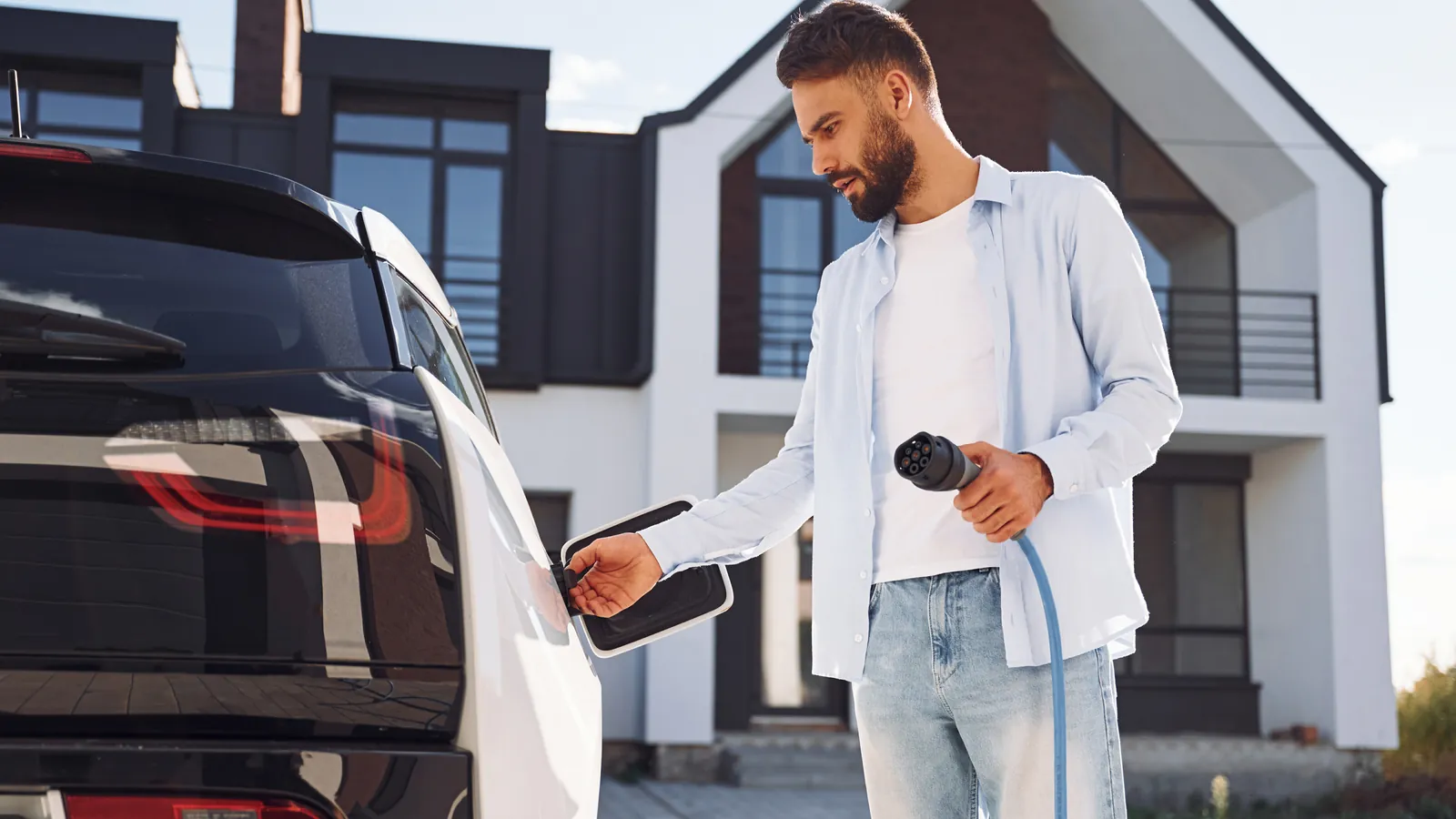
An electric car is a very big battery on wheels. So it’s natural to wonder whether it could keep your home going when the power goes off. The honest answer is: sometimes, with the right car, the right charger and the right installation. For most UK households today, the answer is “not yet”, or “only a few appliances”.
This guide explains the jargon in plain English, what you can actually buy in the UK, and the limits to be aware of before you spend any money.
The three terms you’ll see
“Bidirectional charging” just means power can flow both ways: into the car, and back out of it. What it’s used for has three names.
- V2L (vehicle-to-load). The car powers a device directly, through a socket inside the car or an adaptor that plugs into the charging port. No installation needed. Think kettle, laptop, lamp or fridge on an extension lead.
- V2H (vehicle-to-home). The car feeds your home’s wiring through a special home charger. Day to day, this is mostly about using cheap overnight electricity in the evening.
- V2G (vehicle-to-grid). The car sends power back to the national grid at busy times, and your energy supplier pays or credits you for it.
Only the first two can help in a power cut, and V2H only if it’s set up in a particular way.
Why V2G alone won’t keep your lights on
This is the bit most people miss. Anything that can push electricity into your home’s wiring while it’s connected to the grid must switch itself off when the grid goes down. This is a safety rule. If your car kept feeding power out to the street, it could electrocute an engineer working on what they think is a dead cable.
It’s exactly the same principle as solar panels, which also shut down in a power cut unless you have a battery system with an “island mode”. We explain that in detail in our guide to solar panels in a power cut.
So a standard V2G or V2H setup will usually go dark at the same moment as your house. To keep power on, you need a system designed for backup, sometimes called islanding:
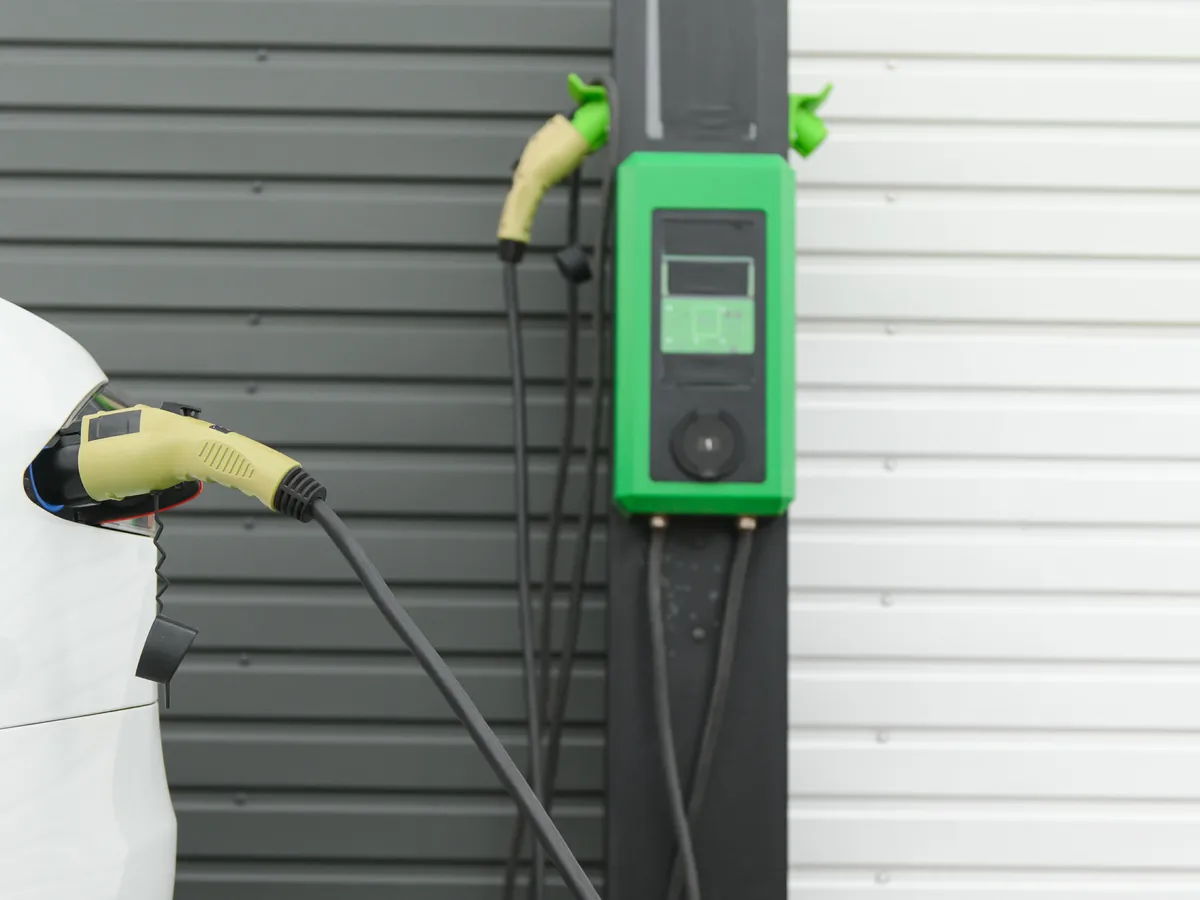
- A bidirectional charger (or charger plus inverter) that specifically supports backup power, not just V2G.
- Automatic isolation equipment that disconnects your home from the grid first, so nothing can flow back down the line.
- Usually, a separate “backup” circuit for the essentials you want to keep running.
- A compatible car. Many cars that can do V2L or V2G are not yet approved for V2H.
Not every bidirectional charger has a backup function. If keeping the lights on is your main reason for buying, ask the installer directly: “Will this system power my home during a power cut, and which circuits?” Get the answer in writing.
Installation and paperwork
Bidirectional charging is not a DIY job. It needs a qualified electrician or specialist installer who has fitted this type of system before.
Because the system can act like a small power station, your local network operator (the DNO, the company that runs the cables in your area) has to know about it. UK Government guidance says a V2G chargepoint must be installed and commissioned under the industry rules called G98 or G99, depending on its capacity. In short:
- G98 covers smaller systems. The installer can fit it, then notify the DNO within 28 days.
- G99 covers larger systems. The installer must apply to the DNO before installing, and wait for approval.
- G100 can apply where the amount you’re allowed to send back to the grid is limited.
Many home bidirectional chargers are powerful enough to fall under G99, so allow time for approval. The installer normally handles the forms, but the same guidance says it’s the owner’s responsibility to make sure the DNO has been told. Ask for confirmation.
What’s actually available in the UK
This is a fast-moving area, so check details with the manufacturer or supplier before you commit. As of November 2026, here’s what we could verify.
V2L: available now on many cars
Several brands sold in the UK, including Kia, Hyundai and MG, offer vehicle-to-load on some models. Kia’s UK V2L page explains that it works through a socket in the car or an adaptor on the charging port, and that by default it stops at 20% battery so you can still drive. Check your own car’s handbook: not every model or trim has it, and the adaptor is often an extra.
V2G: available, but mainly about saving money
In June 2025 Octopus Energy and BYD announced the Power Pack bundle: a leased BYD Dolphin, a bidirectional Zaptec charger and an Octopus V2G tariff. Reports at launch noted you need permission from your DNO to export. It’s designed to cut charging costs, not to provide backup in a power cut.
V2G isn’t brand new. Octopus’s earlier Powerloop trial used older Nissan Leafs, which have a CHAdeMO charging socket that supported two-way charging.
Mercedes-Benz: announced, not yet confirmed for the UK
In September 2025 Mercedes-Benz and its partner The Mobility House announced bidirectional home charging, naming Germany, France and the UK as the first markets, starting with the electric GLC and later the CLA. Mercedes said the car could also be used as a home energy source within a backup power system, with a compatible wallbox.
Its first offer for private customers, reported in October 2026, is in Germany. It’s a V2G package for the electric GLC and new C-Class, using an 11 kW DC wallbox, with the CLA and other models to follow. We couldn’t find a confirmed UK launch date or UK pricing at the time of writing. If you’re interested, ask your Mercedes-Benz retailer.

How long could a car run a home? (rough maths)
Please treat this as a very rough guide, not a promise.
Ofgem’s typical household figure from July 2026 is 2,500 kWh of electricity a year. That’s roughly 7 kWh a day.
A Mercedes CLA 250+ has about 85 kWh of usable battery, according to EV Database. Many family EVs have less. Say you start at 80% charge and stop at 20% so you can still drive. On an 85 kWh battery that leaves about 50 kWh, which on paper is around a week of typical use.
In real life it will be less, because:
- Some energy is lost converting it from the car to your home.
- Power cuts often happen in storms and cold weather, when you use more.
- Backup systems usually only run selected circuits, and there’s a limit on how much power they can deliver at once. You may not be able to run an electric shower, oven or heater.
- Your car may not be fully charged when the power goes off.
- You might need the car to get somewhere, so you won’t want to drain it.
The point is that a car battery is large compared with a home’s daily needs. The limit is usually the equipment and installation, not the battery.
Using V2L safely in a power cut
If your car has V2L, it can be a genuinely useful back-up for a few essentials. Keep it simple and safe.
- Never connect it to your home’s wiring. Don’t plug it into a wall socket with a “double-ended” lead or try to feed your fuse box. This is dangerous and illegal, and could harm you or engineers working on the network.
- Plug appliances in directly, or use a good-quality outdoor-rated extension lead. Unroll cable reels fully so they don’t overheat.
- Keep connections dry. Don’t leave adaptors or leads lying in puddles or rain, and don’t run leads through a door or window where they can be crushed.
- Stay within the limit. V2L output is limited, usually to around what a single household socket can supply. Fridge, lights, phone chargers, router and a kettle now and then are realistic. Heaters and cookers are not.
- Keep the car secure and mind the trip hazard if a lead crosses a path.
- Watch the battery. Set a discharge limit so there’s always enough charge to drive if you need to leave.
If you’re tempted by a petrol generator instead, remember it must never run indoors, in a garage or near an open window. Read our guide to carbon monoxide alarms first.
The simpler option for most homes
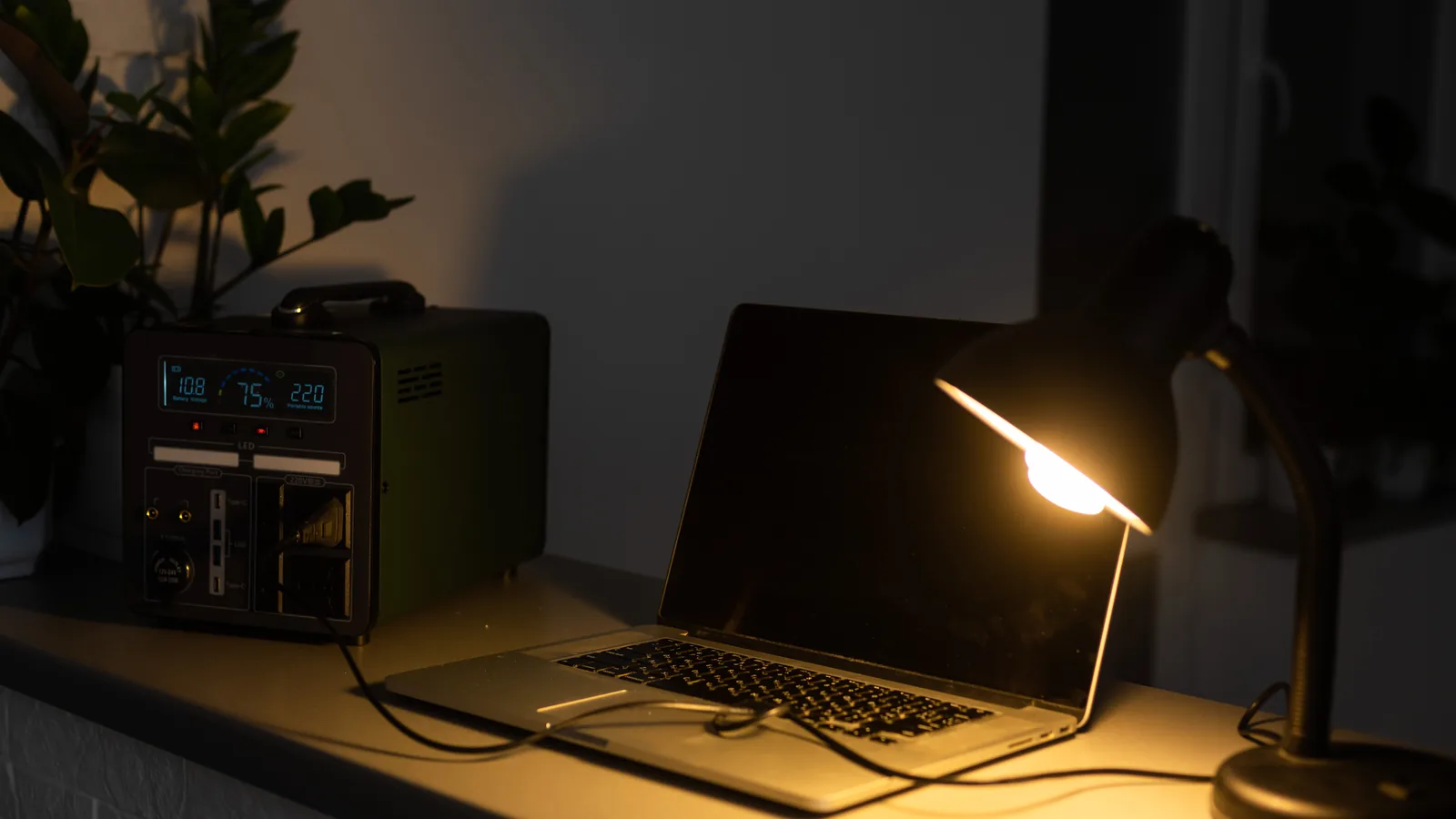
For most households, a portable power station does the same job as V2L for a fraction of the cost and with no installation. It’s a rechargeable battery box with normal three-pin sockets and USB ports. Charge it now, keep it topped up, and it will run lights, phone chargers, a router or a small fridge for a while in a power cut. Browse portable power stations here.
Check the capacity (in Wh) and the maximum output (in W) against what you want to run, and check it has a UK plug and UK sockets.
The bottom line
- V2G can earn you money, but on its own it switches off in a power cut.
- V2H with backup can keep essential circuits running, but needs a compatible car, a charger with a backup function, isolation equipment, a qualified installer and DNO approval. Ask specifically about power cuts.
- V2L is available now on many cars and can run a few appliances via a lead. Use it safely and never connect it to your home’s wiring.
- For most homes, a portable power station and a well-stocked kit is the simplest plan.
Whatever you drive, the basics still matter most: torches, batteries, water and food for 3 days. Start with our power cut guide, work through the 3-day checklist, and see our recommended kit.
This guide contains affiliate links to Amazon UK. If you buy through them we may earn a small commission, at no extra cost to you. How we choose kit.