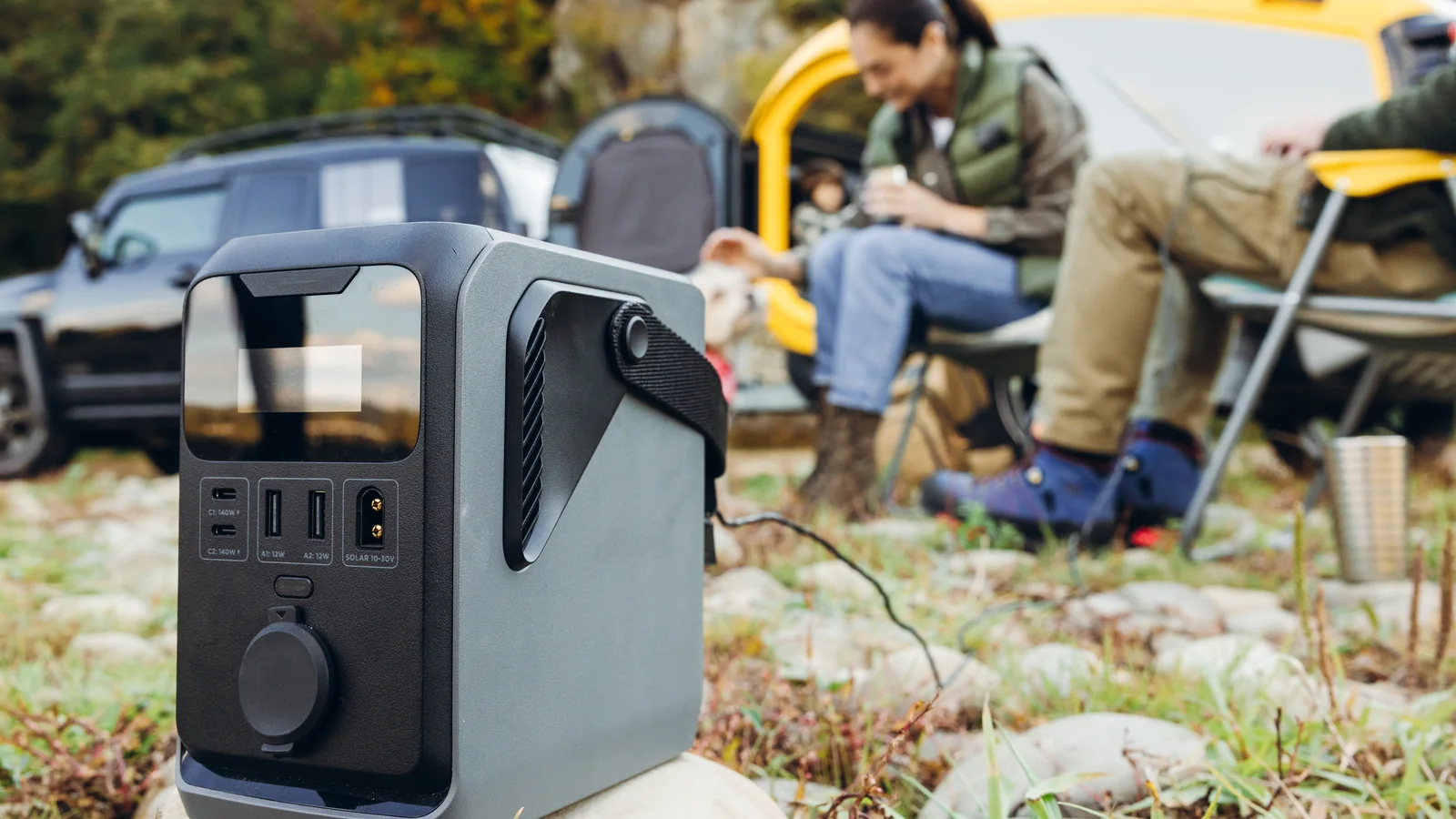
A plain-English guide to backup power, from a pocket power bank to a portable power station topped up by solar. What each size can run, how to work out what you need, and which brands we’d pick.
Plain-English guides for UK homes: power cuts, water, floods, kit and staying in touch when the network goes down. Calm, practical and checked against official advice.
Be Ready launches: the government’s new emergency website, explained
The Cabinet Office has launched Be Ready, a three-year campaign asking every UK household to manage for 3 days in an emergency, with a new website. Here’s what was announced and what it means for you.
Mascara, wine and Twiglets: why a few comforts belong in your emergency kit
A politician’s joke about mascara and wine in an emergency box made the news. But a few small comforts really do help people cope. Here’s how to add them sensibly.
Why every home needs a battery-powered carbon monoxide alarm
Carbon monoxide can’t be seen or smelled, and the risk rises in power cuts and cold snaps. Why a battery-powered alarm matters, what to buy, where to fit it and what to do if it sounds.
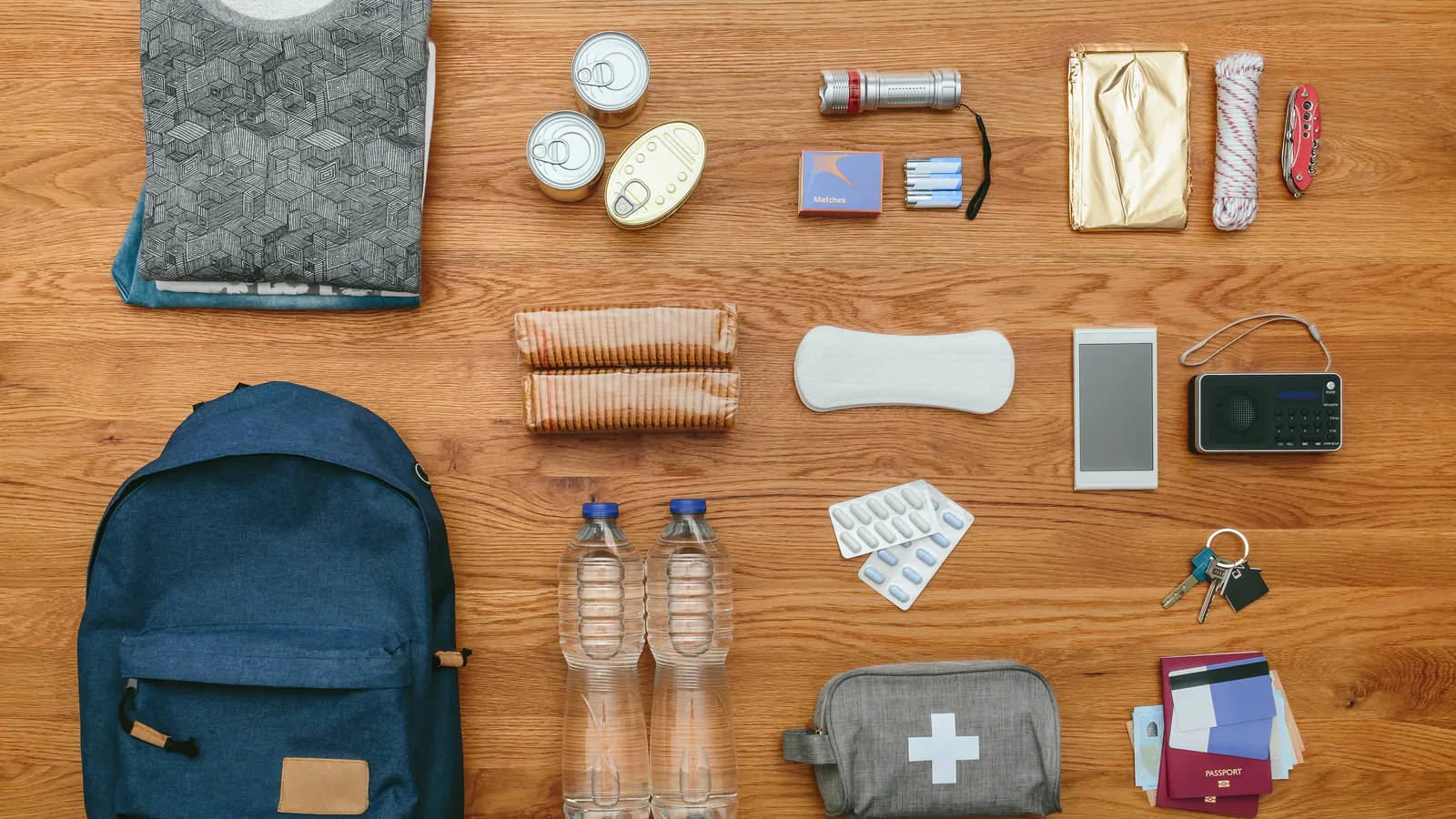
A grab bag on a budget: what to pack for under £50
If you had to leave home in a hurry because of a flood or fire, what would you take? A sensible grab bag doesn’t need to be expensive.
Pets in an emergency: what to pack for your dog or cat
Pets rely on you in a flood, fire or power cut. What to pack in a pet grab bag, microchips and ID, and what to do if you have to leave home.
What is prepping? A calm guide for UK households
Prepping in the UK isn’t about bunkers. It’s about being able to cope at home for 3 days. What it means, why it helps, and five simple steps to start.
Free · about 10 minutes
Reading is good. Ready is better.
Tick off what you already have and see exactly what's missing, sized for your household. Most homes are halfway there before they start.