
Today, 22 October 2026, the Cabinet Office launched Be Ready, a three-year public campaign asking every household in the UK to be able to manage at home for 3 days if something like severe weather, a long power cut or a cyber attack disrupts everyday services. It comes with a brand new website, beready.campaign.gov.uk, which replaces the government’s old Prepare site.
If you’ve seen the headlines and wondered what you’re actually meant to do, here’s a calm walk through what was announced, what’s on the new site and what it means for your home.
What was announced today
- A 3-day target. Households are asked to have enough water, food and basics to cope on their own for 3 days, so the emergency services can help the people who need it most first.
- A long campaign, not a one-off. Today is the first stage of a campaign planned to run for three years, so expect to see Be Ready adverts and reminders well into 2029.
- A new website and checklist. Everything sits on one site, with a printable checklist you can download.
- No specific threat. The government is clear this isn’t a warning about a particular event. It’s the same kind of everyday advice that countries such as France, Ireland and the Netherlands already give their citizens.
- Build up slowly. You’re asked to add a few things at a time, not to panic buy or spend a lot in one go.
A tour of the new website
The site is short and easy to read. These are the main sections:
- Be ready for emergencies: the heart of it, with what to have at home and what to do now.
- Be informed about hazards: the risks that could affect you, from flooding to power cuts.
- Play your part in your community: volunteering and helping neighbours.
- Sign up for extra help: a link to the Priority Services Register, for people who’d need extra support in a power or water cut.
- Weather warnings: a link to the Met Office for forecasts and email alerts.
There’s also a Welsh-language version and an about page explaining how emergencies are handled locally in the UK.
What’s changed since the Prepare site
The government first put household emergency advice online in May 2024, on a site called Prepare. Much of that advice hasn’t changed. What’s new is the clear 3-day message, the Be Ready name and branding, and a fuller checklist. It now spells out things the old advice skipped over, such as keeping some cash, printed copies of important documents, a written list of phone numbers and medicines, and a charged power bank.
What the checklist asks you to have
- Water: about 3 litres per person per day for drinking, plus extra for cooking and washing.
- Food: food that keeps without a fridge and needs no cooking, ideally things you already eat.
- Light and warmth: a torch with spare batteries, blankets or sleeping bags, and warm clothes.
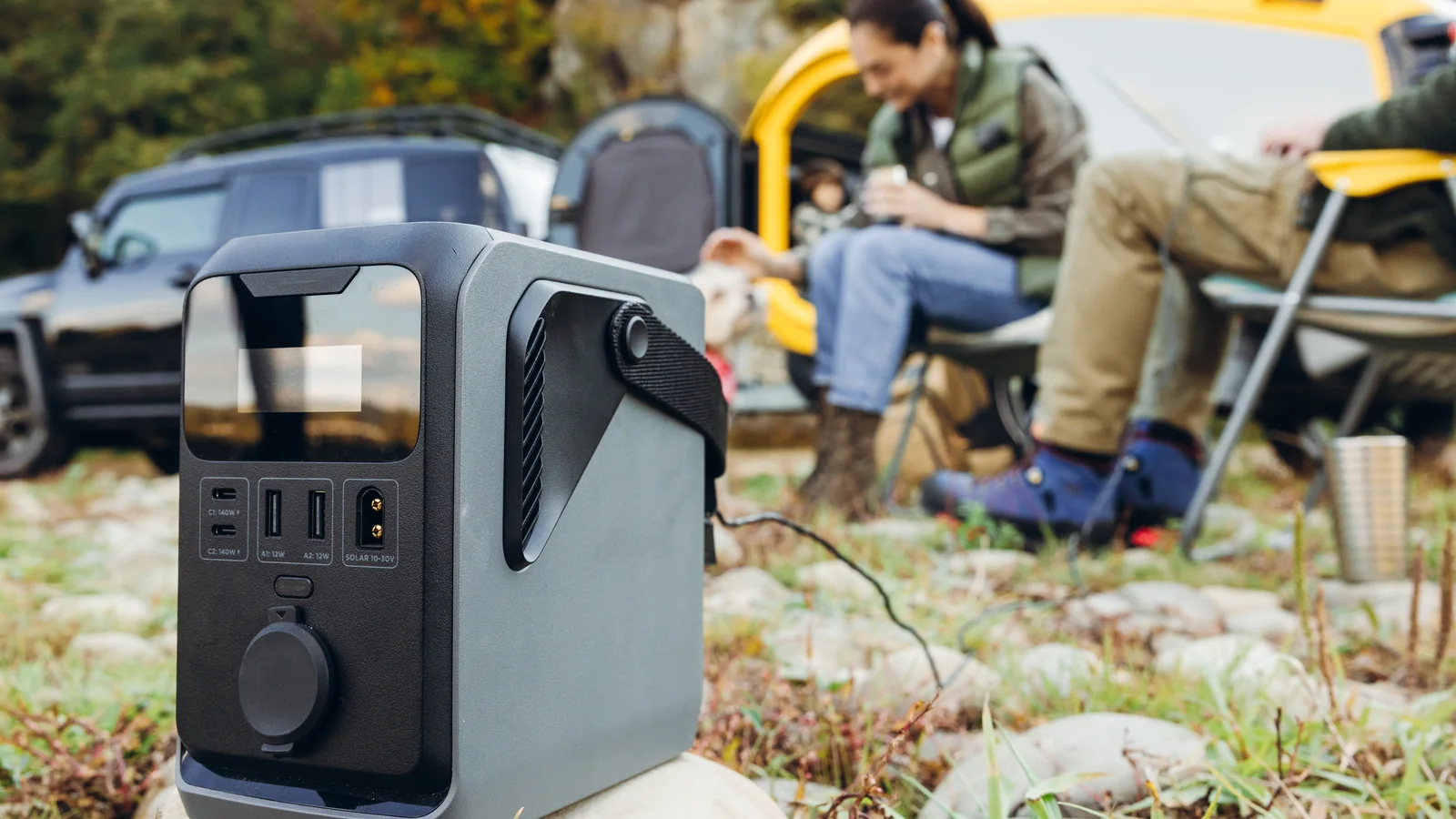
- News and power: a battery or wind-up radio (with station frequencies written down) and a charged power bank.
- Money and paperwork: cash in notes and coins, copies of ID and documents, and a written list of numbers and medicine doses.
- Health and hygiene: a first aid kit, essential medicines, hand sanitiser, wet wipes and toilet basics.
- Babies and pets: formula, nappies and wipes, plus pet food and water if you need them.
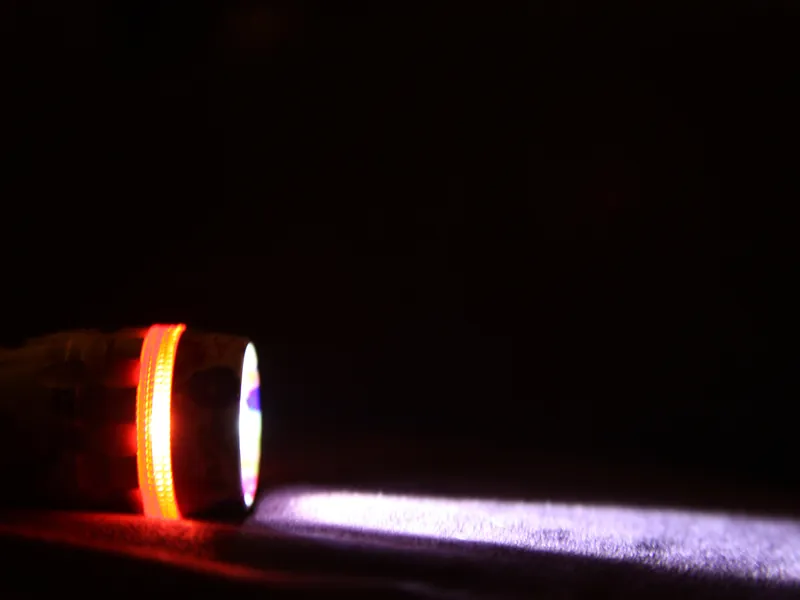
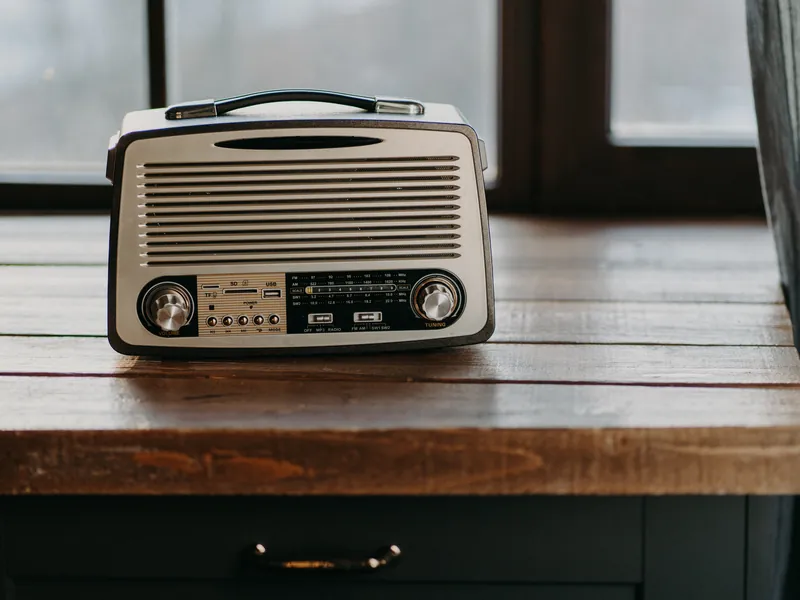
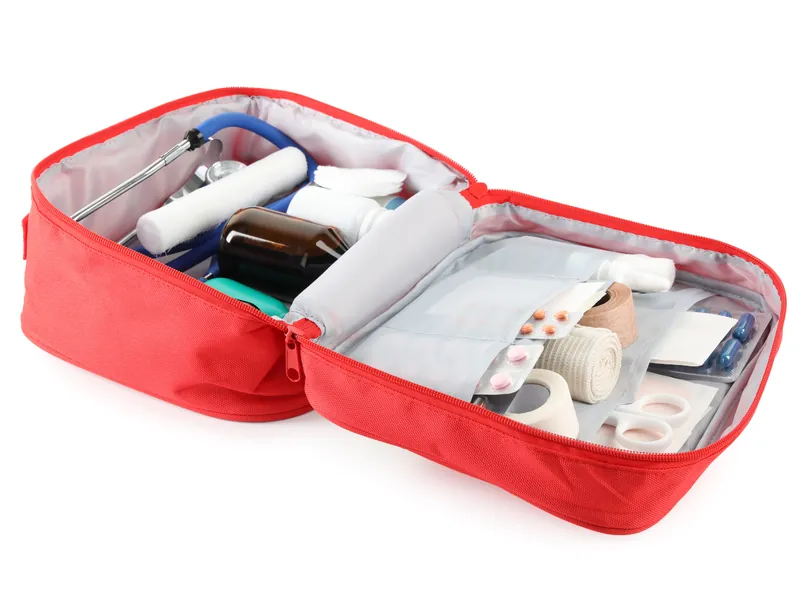
Buy a wind-up radio here · Buy an LED torch here · Buy a first aid kit here · Buy a power bank here
What it asks you to do
- Check what you already have, then build up your supplies bit by bit.
- Check your kit and use-by dates every six months.
- Sign up for alerts and check your local risks, including flood risk.
- Make a simple household plan: how you’d get out, where you’d meet and who might need extra help.
- Write important numbers on paper, including 105 for power cuts (03457 643 643 in Northern Ireland).
- Know how to turn off your gas, electricity and water.
- Swap numbers with neighbours and agree to check on each other.
Scotland, Wales and Northern Ireland
The Be Ready site covers the whole UK, with a Welsh-language version. Scotland and Northern Ireland also have their own advice: Ready Scotland and nidirect.
What to do this week
- Print our 3-day checklist and tick off what you already have. Most homes are further along than they think.
- Add a few long-life items to your normal shop, using our 3-day emergency food list.
- Put aside some bottled water. Our water supply guide explains how much.
- Find your torch, check the batteries and read how to get power cut ready.
- Save the UK emergency numbers on your phone and on paper.
Calm, not panic
Be Ready isn’t asking anyone to fill a garage with supplies. It’s asking for 3 days of basics, built up slowly, plus a bit of planning. That’s exactly what this site has been about from the start. If you’d like a head start, our budget grab bag guide and the UK prepper library pull the best free help together in one place.
You can read the government’s own advice in full at beready.campaign.gov.uk.
 2 pagesOur power cut planFill in your numbers, then what to do in the first 10 minutes and beyond
 2 pagesOur grab bag checklistA tick list in 7 groups, plus cut-out emergency contact cards
This guide contains affiliate links to Amazon UK. If you buy through them we may earn a small commission, at no extra cost to you. How we choose kit.