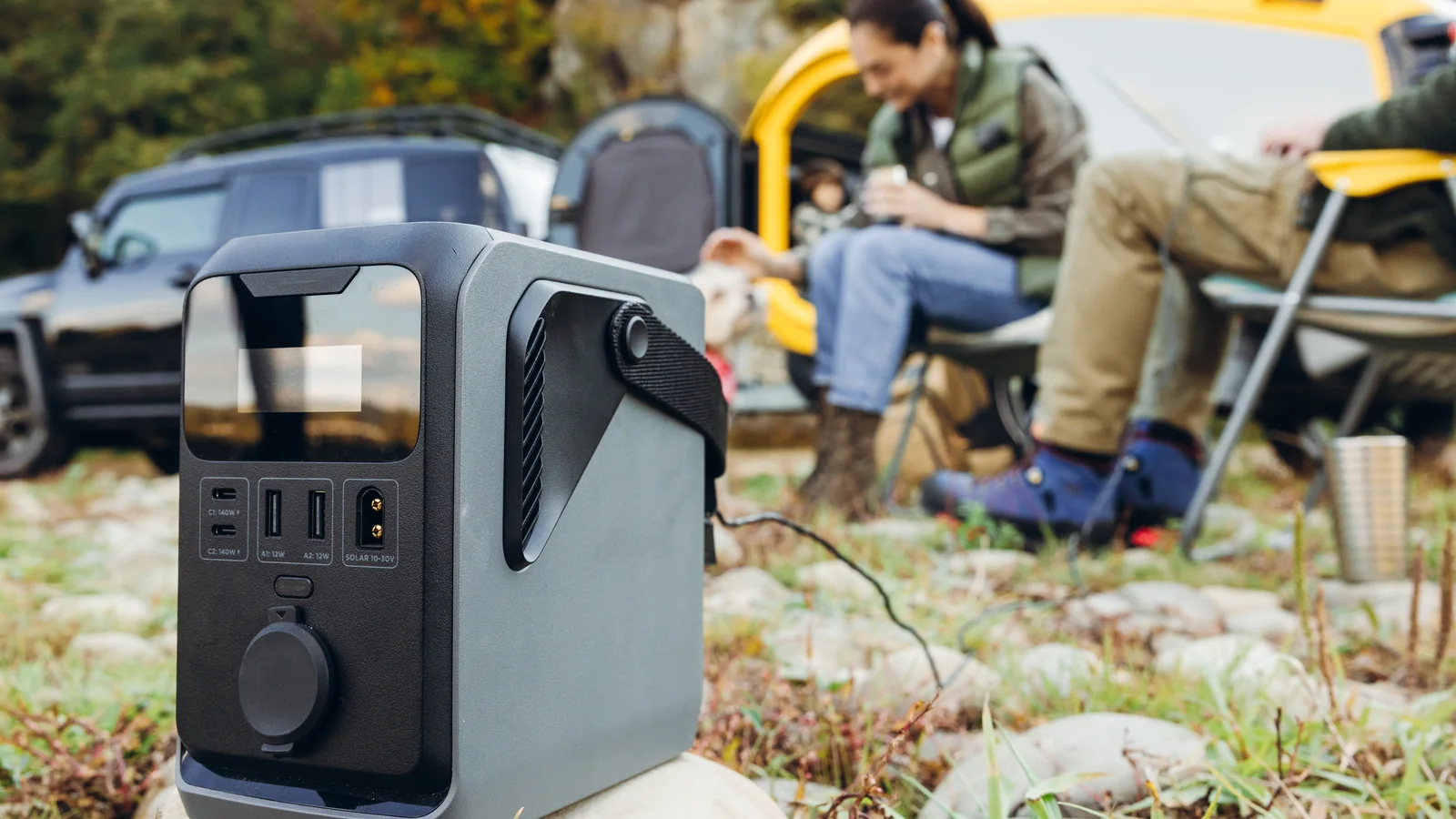

If the power goes off for a few days, the roads flood or you can’t get to the shops, what would you eat? The UK Government’s Be Ready advice is to be able to look after your household at home for 3 days. Food is the part most of us already half have, but a random cupboard of tins rarely adds up to proper meals.
So we’ve written a simple, balanced 3-day food list for one person, in three versions: meat eaters, vegetarians and vegans. Everything on it keeps for months, needs no fridge, and can be eaten cold if you have no way to cook.
Download the free food lists
 A4 PDFMeat eatersTuna, mackerel, chicken, chilli and stew
 A4 PDFVegetariansBeans, chickpeas, lentils and peanut butter
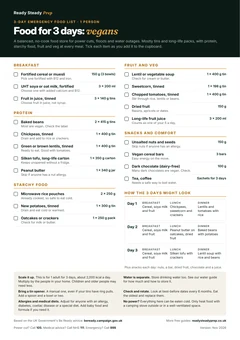 A4 PDFVegansLentils, chickpeas, tofu and fortified soya milk
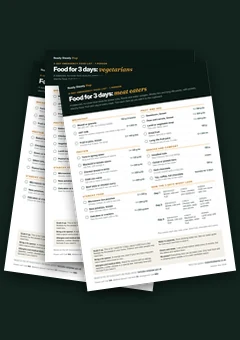
Each list fits on one A4 page, with tick boxes, amounts for 3 days, a meal plan and tips. Print it and stick it inside a cupboard door, or save it to your phone.
What makes it balanced
Every day on the list gives you the same building blocks as a normal healthy diet, just from tins and packets:
- Protein at lunch and dinner: fish, chicken or meat, or beans, chickpeas, lentils, tofu and peanut butter.
- Starchy food at every meal: cereal, cooked rice pouches, tinned potatoes and oatcakes, for steady energy.
- Fruit and veg every day: tinned fruit in juice, sweetcorn, peas and carrots, tomatoes, dried fruit and juice.
- A few comforts: nuts, a cereal bar, dark chocolate and a hot drink. They matter more than you’d think when things are stressful.
It’s planned around roughly 2,000 kcal a day, which the NHS uses as a guide for an average adult. Men and very active people may need more, and children and many older people need less. Multiply the amounts by the number of people in your home.
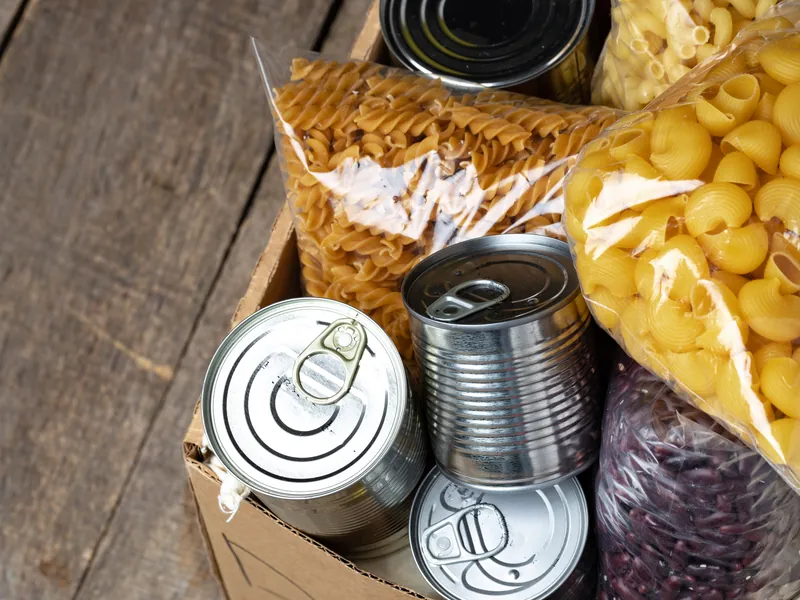


Meat eaters, vegetarians and vegans: what changes
- Meat eaters get protein from tuna, mackerel in tomato sauce (oily fish, with omega-3), chicken in brine, chilli con carne and a beef stew or curry.
- Vegetarians swap those for baked beans, chickpeas, a vegetable chilli or bean curry, lentil soup and peanut butter. Check cereal bars for gelatine.
- Vegans also need fortified foods: choose a soya or oat milk with added calcium and vitamin B12, and a cereal fortified with B12 and iron. Long-life silken tofu keeps without a fridge until it’s opened. Check crackers, soups and dark chocolate for milk.
Tips for storing emergency food
- Buy what you already eat. Then you can use it up in normal weeks and replace it, so nothing goes out of date.
- Check dates every 6 months. Move the oldest to the front. Throw away any tin that’s bulging, leaking or badly dented.
- Keep it cool, dry and off the floor, in a box or crate you can grab if you have to leave.
- Pack a manual tin opener, even if most tins have ring pulls, plus a spoon, a bowl and a few bin bags.
- Store water separately. Salty tins make you thirsty. See our water guide for how much to keep.
- Think about everyone in your home: allergies, diabetes, coeliac disease, baby food and formula, and pet food.
Heating food safely in a power cut
Everything on the list can be eaten cold. If you want something hot, only use a camping stove or barbecue outside, never indoors or in a garage, because they give off carbon monoxide. Read why every home needs a battery-powered carbon monoxide alarm.
Handy things to buy
- A good manual tin opener (buy here)
- Long-life fortified soya or oat milk (buy here)
- Microwave rice pouches, which are safe to eat cold (buy here)
- Unsalted mixed nuts (buy here)
- Peanut butter (buy here)
- A stackable storage box for your food store (buy here)
Add your food to the 3-day checklist, and see our recommended kit for the rest. In an emergency, call 999.
This guide contains affiliate links to Amazon UK. If you buy through them we may earn a small commission, at no extra cost to you. How we choose kit.